
5 Home Renovations That Could Negatively Affect Your Insurance
So, you’ve been bitten by the renovation bug. Visions of a sparkling new kitchen, a luxurious bathroom, or a backyard oasis are dancing in your head. It’s an exciting prospect! While upgrading your home can increase its value and your enjoyment of it, many homeowners are completely unaware of the significant impact these projects can have on their home insurance.
Before you hire a contractor or pick up a hammer, it's crucial to understand that not all renovations are viewed favorably by insurance companies. In fact, some of the most desirable upgrades can be seen as major liabilities, leading to higher premiums, special requirements, or in some cases, difficulty securing coverage at all.
This isn’t to say you should abandon your dream project. The key is to go in with your eyes open, understanding the potential insurance implications so you can budget accordingly and ensure you’re properly protected. Let's dive into five popular home renovations that could negatively affect your insurance policy.
1. Installing a Swimming Pool or Hot Tub
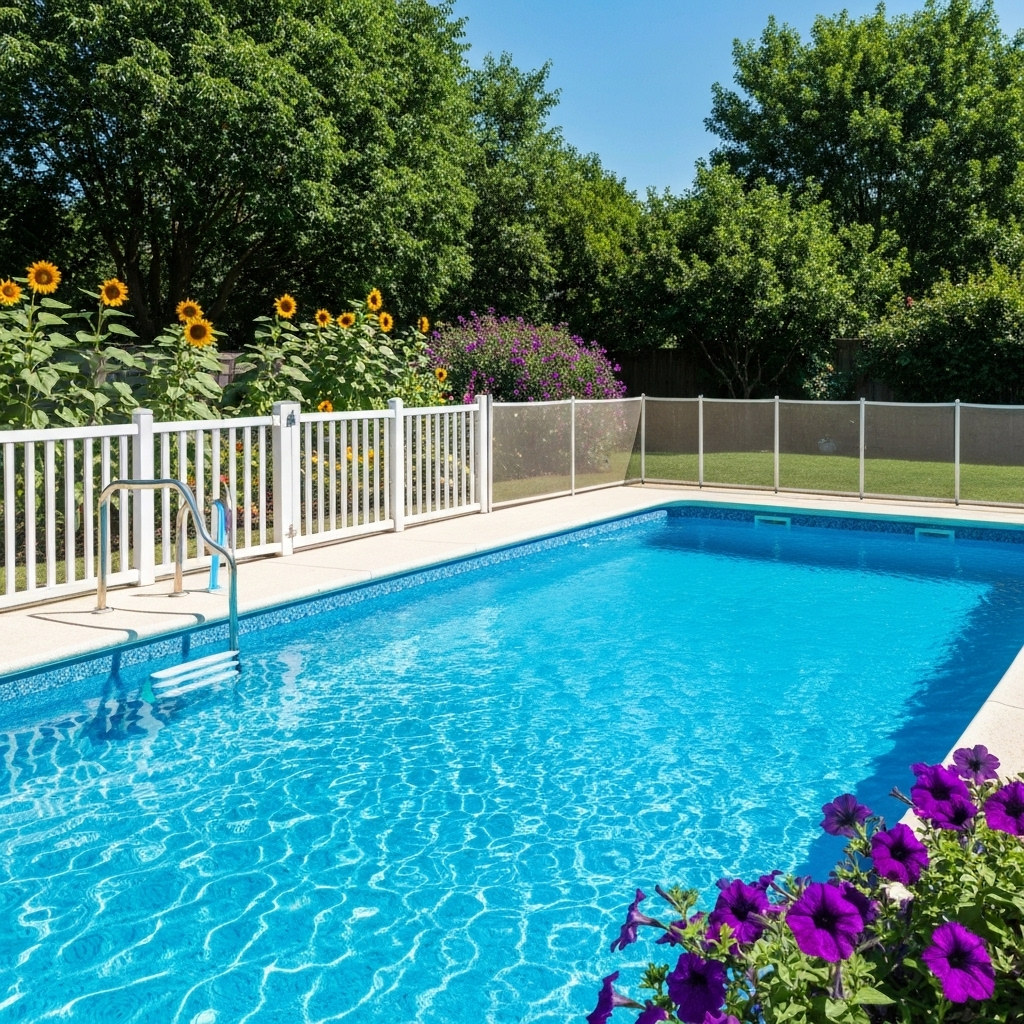
A swimming pool is the quintessential backyard luxury, but in the eyes of an insurer, it’s what’s known as an "attractive nuisance." This legal term applies to features that are likely to attract children and pose a risk of injury. The potential for drowning or accidents is a massive liability concern for insurance companies.
According to a report from the U.S. Consumer Product Safety Commission (CPSC), there are hundreds of fatal drownings involving children under 15 each year, with a significant number occurring in residential pools.
The Insurance Impact:
- Increased Liability Coverage: Your insurer will almost certainly require you to increase your liability coverage, often to a minimum of $300,000 to $500,000, or even recommend a separate umbrella policy for $1 million or more.
- Mandatory Safety Measures: To mitigate risk, you'll be required to install safety features like a four-sided fence of a specific height with a self-latching gate, and possibly a pool alarm.
- Higher Premiums: Expect a significant hike in your annual premium to cover the increased risk.
2. Adding a High-Risk Dog Breed to Your Family
This isn't a renovation in the traditional sense, but bringing a new pet home is a major change to your household that affects your liability. While we love our furry friends, some dog breeds are statistically responsible for more bite incidents, and insurance companies keep detailed data on this. Breeds often found on "dangerous" or "restricted" lists include Pit Bulls, Rottweilers, Doberman Pinschers, and German Shepherds.
The Insurance Impact:
- Breed-Specific Exclusions: Some policies will explicitly exclude liability coverage for dog bites if you own a specific breed. This means if your dog bites someone, you are personally on the hook for all medical and legal costs.
- Coverage Denial or Cancellation: Some companies may refuse to write a new policy or non-renew an existing one if you acquire a restricted breed.
- Increased Premiums: If the company is willing to provide coverage, they will likely charge a higher premium.
3. Installing a Wood-Burning Stove or Fireplace
The cozy ambiance of a real wood fire is hard to beat, but it comes with a significantly increased risk of house fires. Improper installation, poor maintenance, or a simple stray ember can lead to catastrophic damage.
The Insurance Impact:
- Professional Installation is Non-Negotiable: Insurers will demand proof of professional installation that meets all local building codes and fire safety standards. A DIY installation is a huge red flag.
- Inspection and Certification: You'll likely need a WETT (Wood Energy Technology Transfer) certification or similar inspection to prove the stove or fireplace is safe.
- Premium Increase: Due to the heightened fire risk, your home insurance premium will go up. The amount can vary depending on your home's construction and your local fire department's rating.
4. Elaborate Landscaping and Treehouses
Creating a stunning garden or a fun treehouse for your kids can add a lot of character to your property. However, like swimming pools, treehouses and other structures like trampolines are considered attractive nuisances.
Elaborate landscaping with expensive, mature trees or custom-built water features also needs to be accounted for. While it increases your property value, standard policies may not cover the full replacement cost of these unique features without a special endorsement.
The Insurance Impact:
- Liability Concerns: For treehouses and trampolines, your liability risk increases, which may require higher coverage limits.
- Coverage Limits on Landscaping: Your policy likely has a sub-limit for landscaping, often around 5% of your home's insured value. If you've invested heavily in your garden, you may need to purchase additional coverage. Just like protecting your indoor valuables, your outdoor ones need consideration, too.
5. Finishing Your Basement Without Permits
Converting an unfinished basement into a living space, home theater, or gym is a fantastic way to add square footage and value. However, doing this work "off the books" to save money is one of the riskiest decisions a homeowner can make.
The Insurance Impact:
- Claim Denial: If you have a claim related to the finished basement—for example, a water damage incident or a fire that starts in the unpermitted wiring—your insurer could deny the entire claim. They can argue that the unpermitted work created an undisclosed risk and voided your policy.
- No Coverage for the Value: Even if a claim for a different part of the house is paid, the insurer will not compensate you for the value of the finished basement itself, as they never knew it existed. You'll have spent thousands on the renovation only to have it valued as an empty concrete box.
- Code Compliance Issues: If the work isn't up to code, it poses a real safety hazard. An insurer might even cancel your policy if they discover significant unpermitted work during a routine inspection.
Be Proactive: Talk to Your Insurance Agent
The single most important step you can take before any renovation is to call your insurance agent. Discuss your plans in detail. They can tell you exactly how the project will affect your policy, what documentation you'll need, and what safety measures you'll be required to take.
Being proactive not only prevents nasty surprises but also ensures that the beautiful new additions to your home are properly protected. After all, the point of a renovation is to increase your home's value and your peace of mind, not to introduce uncovered risks.