
Is Climate Change to Blame for Rising Home Insurance Costs?
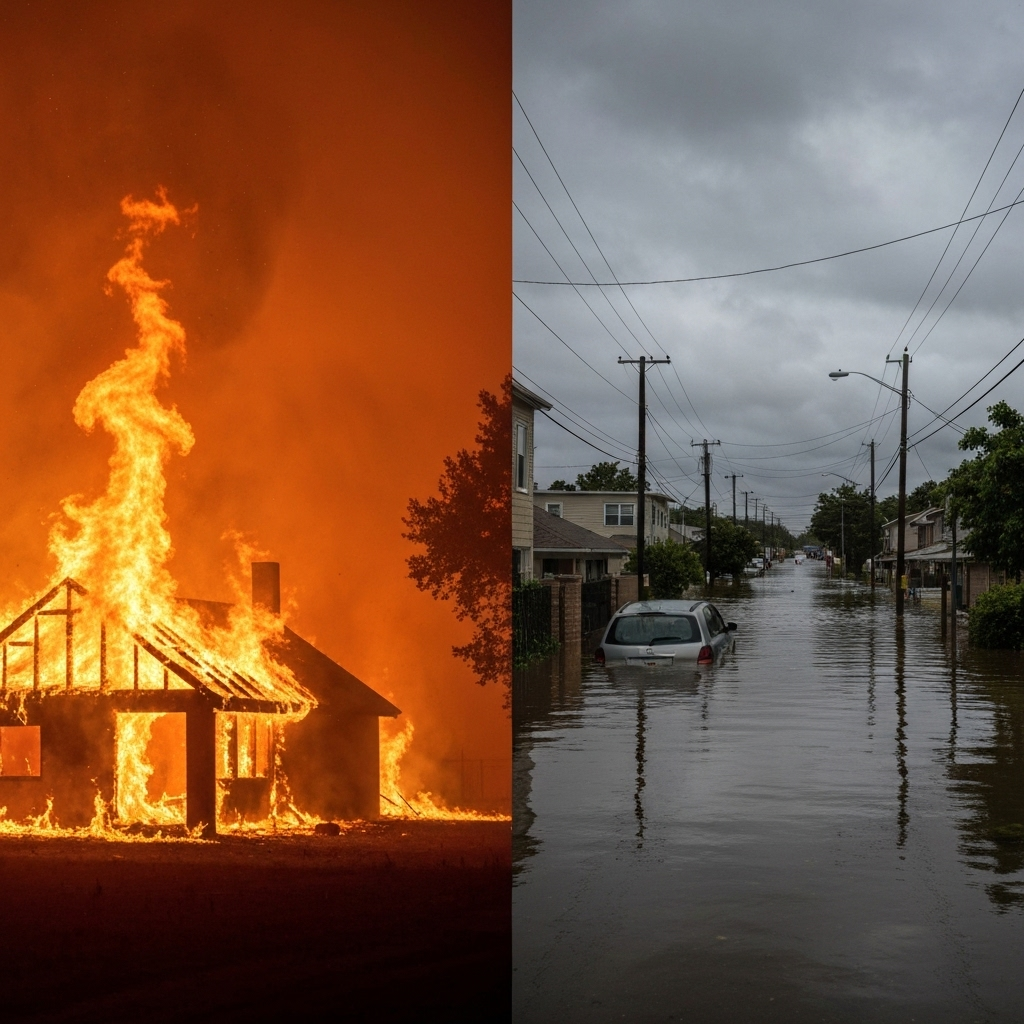
If you're a homeowner, you've likely noticed a painful trend over the past few years: your home insurance bill keeps going up. And up. And up. It's not just your imagination. Across the country and around the world, insurance premiums are soaring, and in some high-risk areas, coverage is becoming difficult to find at any price.
While inflation and rising construction costs are part of the story, they don't paint the whole picture. The primary driver behind this insurance crisis is a factor that affects us all: climate change. The increasing frequency and severity of extreme weather events are forcing the insurance industry to fundamentally rethink how it calculates risk, and homeowners are feeling the financial consequences.
Let's break down the direct connection between a changing climate and the sticker shock on your latest insurance renewal.
The New Abnormal: A Barrage of Billion-Dollar Disasters
For decades, the insurance industry operated on predictable models. They used historical data to forecast the likelihood of events like hurricanes, wildfires, and floods in a given area. But climate change has thrown those historical models out the window. The "100-year storm" now seems to happen every few years.
According to the National Oceanic and Atmospheric Administration (NOAA), the United States experienced a record-breaking 28 separate billion-dollar weather and climate disasters in 2023 alone. These events included everything from devastating wildfires in Hawaii to atmospheric rivers in California and severe tornado outbreaks in the Midwest.
Each of these disasters results in billions of dollars in insurance claims. When insurers have to pay out more in claims, they have to collect more in premiums to remain solvent. It's a simple, albeit painful, equation.
How Different Climate Risks Affect Your Policy
The impact of climate change isn't uniform. The specific risks to your region are what drive your local insurance market.
1. Wildfires: A Year-Round Threat
What used to be a seasonal concern in states like California is now a year-round, nationwide problem. Droughts are lasting longer, temperatures are rising, and forests are becoming tinderboxes. The result is wildfires that are larger, faster, and more destructive than ever before.
Insurance Impact: In high-risk states like California, Colorado, and Oregon, major insurers are pulling back. They are non-renewing policies for thousands of homeowners in fire-prone areas and have stopped writing new policies altogether in some regions. For those who can still get coverage, it comes with exorbitant premiums and strict requirements for "hardening" your home against fire (e.g., installing fire-resistant roofing and clearing vegetation).
2. Hurricanes and Severe Storms: More Intense and More Frequent
Warmer ocean temperatures act as fuel for hurricanes, allowing them to intensify more rapidly and carry more moisture. This leads to stronger winds and unprecedented rainfall, causing both wind and flood damage far inland. Similarly, severe convective storms—which produce tornadoes, hail, and damaging straight-line winds—are becoming more common in areas that rarely experienced them before.
Insurance Impact: Coastal areas, particularly in Florida and along the Gulf Coast, have seen some of the steepest premium increases in the nation. Insurers are raising deductibles specifically for wind and hail damage, meaning homeowners have to pay more out-of-pocket before their coverage kicks in. Understanding your specific policy type is crucial, as some may not even cover flooding, which often requires a separate policy.
3. Flooding: Beyond the Coasts
You don't have to live near an ocean to be at risk of flooding. Climate change is leading to more intense rainfall events across the country, overwhelming outdated stormwater systems and causing flash floods and riverine flooding in areas previously considered safe.
Insurance Impact: Standard homeowners insurance policies do not cover damage from flooding. You must purchase separate coverage through the National Flood Insurance Program (NFIP) or a private flood insurer. As flood maps are redrawn to account for the new reality of climate change, millions of homeowners are finding themselves newly designated in high-risk flood zones, forcing them to purchase this expensive additional coverage.
The Reinsurance Squeeze
When you pay your premium, that money doesn't just sit in your insurer's bank account. Insurance companies buy their own insurance, a product called "reinsurance," to protect themselves from massive losses after a major catastrophe.
These global reinsurance companies are the ones taking the biggest hits from the surge in billion-dollar disasters. In response, they are dramatically increasing the price of the coverage they sell to primary insurers like Allstate or State Farm. Your insurer, in turn, passes that cost directly on to you in the form of higher premiums.
What Can Homeowners Do?
While you can't stop a hurricane, you can take steps to mitigate your risk and potentially lower your costs:
- Fortify Your Home: Invest in climate-resilient upgrades. This could mean installing a hail-resistant roof, hurricane shutters, or fire-resistant siding. Many insurers offer discounts for these improvements.
- Shop Around (If You Can): While options are shrinking in some areas, it's still worth getting quotes from multiple insurers and independent agents.
- Review and Increase Your Coverage: With construction costs rising, make sure your coverage limit is high enough to actually rebuild your home. Don't let yourself be underinsured.
- Maintain a Home Inventory: In the event of a total loss, a detailed home inventory is the only way to ensure you get paid for everything you lost. Use an app like Claimfrog to document your belongings before you need to file a claim.
The reality is that as long as the climate continues to change, the era of cheap, stable home insurance is likely over. Adapting to this new normal means being more proactive about both our physical and financial preparedness.