
Kitchen Remodel: How to Update Your Home Insurance
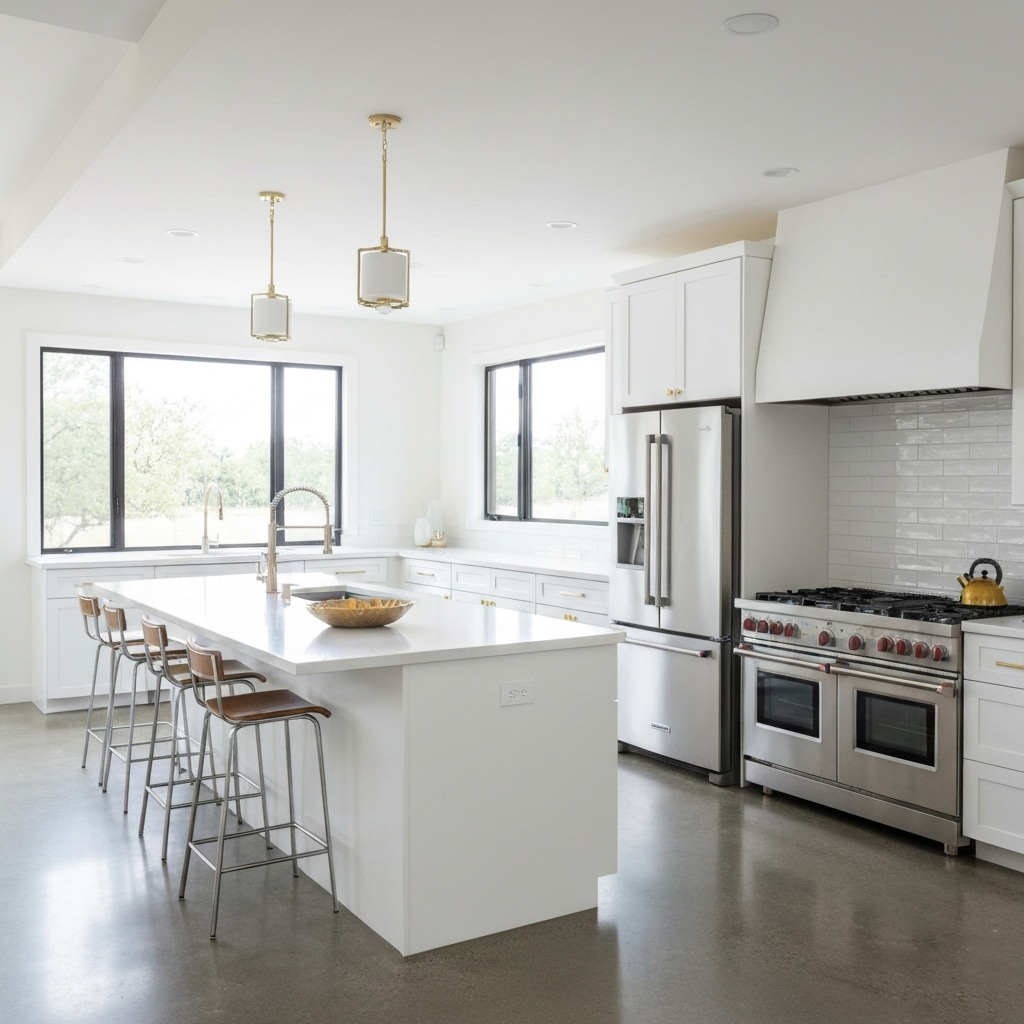
Congratulations! Your kitchen remodel is finally complete. The new countertops gleam, the appliances hum with modern efficiency, and your dream kitchen has transitioned from a Pinterest board to reality. It's a significant investment, a place where memories will be made, and undoubtedly, a source of immense pride. But amidst the excitement of cooking your first meal or hosting a gathering in your transformed space, there's one crucial detail that homeowners often overlook: updating their home insurance policy. Failing to do so can turn that dream into a financial nightmare should disaster strike.
Why Your Kitchen Upgrade Impacts Home Insurance Coverage
Think of your home insurance as a dynamic shield, constantly needing calibration to protect your evolving asset. A kitchen remodel isn't just a cosmetic refresh; it's an investment that fundamentally changes the value, features, and even the potential risks associated with your home. Your insurer needs to know about these changes because their entire business model is built on accurately assessing the cost to rebuild your home and replace its contents. Without an updated policy, you might be woefully underprepared when you need that shield most.
Increased Value: The Most Obvious Reason for an Insurance Review
Every new slab of quartz, custom cabinet, or high-end fixture contributes directly to the replacement cost of your home. If a fire or major plumbing disaster devastated your kitchen tomorrow, what would it cost to rebuild it to its current, magnificent state? That's the figure your dwelling coverage needs to reflect. Initial policy limits are based on your home's condition at the time of purchase or the last major review. A significant remodel can increase your home's replacement value by tens of thousands, or even hundreds of thousands, of dollars. According to HomeAdvisor's latest data, the average kitchen remodel in the U.S. can range from $14,000 to $50,000 or more, with upscale remodels easily exceeding $100,000. That's a substantial increase that your existing policy might not cover, leaving you to pay the difference out of pocket.
New Risks and Features: What Your Insurer Needs to Know
Beyond just the raw monetary value, your kitchen remodel often introduces new features, materials, and sometimes even new risks (or mitigates old ones) that your insurer needs to account for. From new gas lines for a professional-grade range to updated electrical panels supporting modern appliances, these changes are critical data points for your insurance provider.
Appliance Upgrades: From Smart Ovens to High-End Refrigerators
Modern kitchens are often defined by their state-of-the-art appliances. That smart refrigerator with a built-in screen, the professional-grade convection oven, the high-efficiency dishwasher – these aren't just functional items; they're significant financial assets. While some built-in appliances might fall under your dwelling coverage, others, especially if they're freestanding and high-value, will impact your personal property coverage. If you've invested in a suite of luxury appliances, their combined value alone could push your personal property limits far beyond what your old policy covered. Don't assume your standard policy will automatically account for a $10,000 professional range if it was set when you had a $1,500 model.
Structural Changes & Plumbing: New Coverage Considerations
Did your remodel involve knocking down a wall to create an open-concept space? Did you move a sink, add an island, or install a pot filler? These structural and plumbing changes are major updates. Moving or adding plumbing lines, even if performed by a licensed professional, introduces new potential points of failure, though newer materials like PEX tubing can also reduce risks compared to older copper or galvanized pipes. Similarly, updating electrical wiring to accommodate new appliances, adding more outlets, or upgrading your electrical panel can significantly alter the risk profile of your home. Your insurer needs to be aware of these fundamental changes to ensure you have adequate coverage, especially for water damage, which is one of the most common and costly homeowner claims.
What Happens If You Don't Update Your Insurance Policy?
This is where the excitement of your new kitchen can turn into a cold dose of reality. Many homeowners believe that once a policy is in place, it automatically adjusts for improvements. This is a dangerous misconception that can lead to severe financial penalties.
The Risk of Underinsurance: Don't Get Caught Short
Underinsurance means that your policy's coverage limits are less than the actual cost to rebuild or repair your home and replace your belongings. If your kitchen, now worth $75,000 to replace, is only covered for $25,000 by your outdated policy, you're on the hook for the remaining $50,000. It's not just total losses, either. Most policies include a co-insurance clause, which means if you're underinsured by a certain percentage, your insurer may only pay a portion of any loss, even a partial one. For instance, if your policy requires you to insure for 80% of your home's replacement value, but you only insured for 60% after your remodel, you might only receive 75% of a claim payment, even for a minor incident. This can be a devastating blow to your finances when you're trying to recover from damage.
According to a study cited by the Insurance Information Institute, a significant percentage of homes in the U.S. are underinsured, often by 20% or more. A major renovation like a kitchen remodel is a prime contributor to this issue if not properly reported.
Potential for Denied Claims: When Silence Costs You Dearly
Even worse than underinsurance is the risk of a denied claim. Insurance policies are contracts based on the information you provide. If you make substantial changes to your property's value or risk profile and you don't inform your insurer, they could argue that you committed material misrepresentation or non-disclosure. In extreme cases, particularly if the unreported change contributed to the loss (e.g., a faulty new gas line causing a fire), your insurer might have grounds to deny the claim entirely. This is an insider secret many homeowners learn the hard way: your policy is only as good as the accuracy of the information it's based upon.
Steps to Take After Your Kitchen Remodel: A Proactive Approach
Don't let your dream kitchen become a source of anxiety. Being proactive about updating your insurance policy is a straightforward process that offers immense peace of mind.
Document Everything: The Power of a Detailed Home Inventory (with Claimfrog)
Before you even call your agent, compile all the necessary documentation. This is where your Claimfrog home inventory app becomes your best friend. Use Claimfrog to:
- Photograph everything: Take clear, detailed photos of your new kitchen from multiple angles. Focus on new appliances, custom cabinetry, countertops, fixtures, and any structural changes.
- Upload receipts: Keep digital copies of all your contractor invoices, appliance receipts, and material purchases. Claimfrog allows you to easily attach these to individual items or rooms.
- Record serial numbers: For major appliances, note down serial numbers. This is crucial for identification and replacement.
- Detail specifications: Note brand names, models, and any unique features of your new items. The more detail, the better.
This comprehensive inventory doesn't just help your insurer understand the value of your remodel; it provides irrefutable proof of ownership and condition should you ever need to file a claim. It streamlines the claims process dramatically, minimizing disputes and expediting your recovery.

Contact Your Insurance Provider: What Information to Share
Once your documentation is ready, contact your insurance agent or provider. Be prepared to share specific details about your remodel, including:
- Total cost of the renovation.
- Specific materials used: (e.g., granite, marble, custom wood, stainless steel, etc.).
- New appliances: Brands, models, and individual costs.
- Structural changes: Were walls moved, new windows installed, square footage added?
- Plumbing and electrical upgrades: Details on new pipes, fixtures, wiring, or panel upgrades.
- Contractor information: Who performed the work (licensed professionals are key).
- Permits: Were all necessary permits pulled and approved?
Providing this detailed information allows your insurer to accurately reassess your coverage needs.
Reviewing Your Policy: Dwelling, Personal Property, and Liability
Work with your agent to review each component of your policy through the lens of your new kitchen:
- Dwelling Coverage (Coverage A): This is the most critical element for a kitchen remodel. Ensure the limit is sufficient to rebuild your entire home, including the new, higher-value kitchen, from the ground up. This covers the structure itself, built-in cabinetry, countertops, and major fixtures.
- Personal Property Coverage (Coverage C): This covers your belongings inside the home. While many appliances are considered part of the dwelling, expensive freestanding items or highly valuable kitchenware should be accounted for here. You might need to increase your overall personal property limit or even add endorsements for specific high-value items.
- Liability Coverage (Coverage E): While less directly impacted, a more valuable home can sometimes imply more assets to protect. Furthermore, if contractors were working on your property, ensuring they had their own liability insurance protects you from potential issues during the remodel itself. While your remodel is done, it's always a good time to confirm your liability limits are adequate.
Understanding Potential Premium Changes: Up or Down?
Many homeowners dread contacting their insurer after a remodel, fearing an inevitable premium hike. While it's true that increased replacement value often leads to a higher premium, it's not always a one-way street. Sometimes, modern upgrades can actually lead to discounts:
- New Plumbing/Electrical: Updated, safer systems can sometimes reduce risk and qualify you for lower rates.
- Smart Home Technology: If your new kitchen includes smart water sensors or fire detection systems, these can often lead to discounts.
- Security Features: Enhanced security in a new kitchen could also have a positive impact.
Be sure to ask your agent about any potential discounts related to your specific upgrades. The key is that any change to your premium will be based on a more accurate assessment of your home's value and risk, ensuring you're paying for the right amount of coverage.
Benefits of Keeping Your Home Insurance Current and Accurate
Keeping your policy aligned with your home's current state is not just about avoiding penalties; it's about securing genuine benefits that protect your most valuable asset.
Peace of Mind: Knowing Your Investment is Protected
There's an undeniable sense of security that comes from knowing your significant investment is fully protected. Your dream kitchen represents not just financial outlay but countless hours of planning and anticipation. Having adequate insurance means that, should the unthinkable happen, you won't face the crushing burden of paying for repairs or rebuilding out of pocket. It allows you to truly relax and enjoy your beautiful new space, confident that its future is secure.
Smooth Claims Process: When Disaster Strikes, You're Ready
An updated policy, supported by a detailed home inventory from Claimfrog, makes the claims process immeasurably smoother. When you've accurately reported your home's value and contents, and you have photographic and documented proof of everything, your insurer has all the information they need to process your claim quickly and fairly. This vastly reduces stress during an already difficult time and ensures you receive the full compensation you're entitled to. This preparedness also extends to understanding other renovations. For more insights on how various home improvements can impact your coverage, consider reading our guide on 5 renovations that can secretly sabotage your home insurance.
Conclusion: Your Dream Kitchen Deserves Dream Protection
Your kitchen remodel is more than just a renovation; it's an enhancement to your lifestyle and a significant investment in your home's future. Don't let the administrative detail of updating your insurance policy diminish the joy and security it should bring. Take the proactive steps outlined above – document thoroughly with Claimfrog, communicate openly with your insurer, and review your policy limits. By doing so, you ensure that your dream kitchen is not only a beautiful reality today but also a protected asset for years to come. Your preparedness will be your greatest asset when it matters most.